Managing Multiple Kubernetes Clusters 🕸️
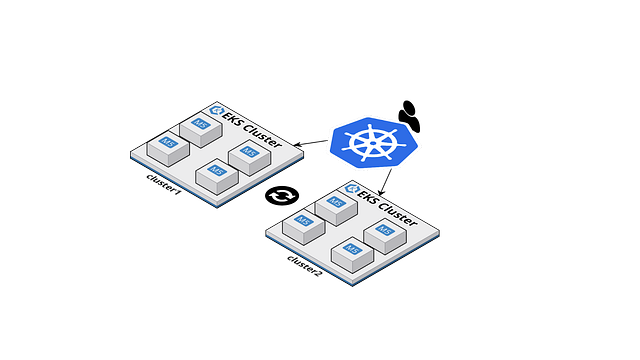
Kubernetes has revolutionized application deployment, scaling, and management in the cloud. Initially designed for single-cluster deployments, Kubernetes now empowers organizations to manage applications across multiple clusters for enhanced scalability, reliability, and isolation. This guide explores multi-cluster management in Kubernetes, its advantages, challenges, and best practices.
Why Use Multiple Clusters? 🔍
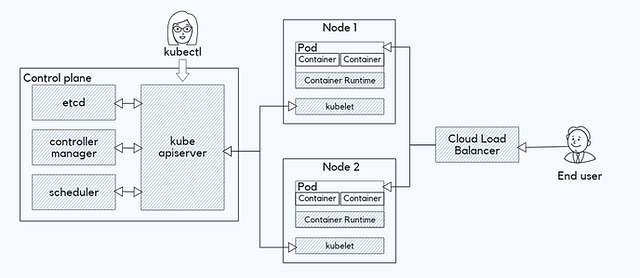
A single Kubernetes cluster might suffice for small applications, but limitations arise as applications grow:
- Resource Constraints: A single cluster has finite resources, and rising workloads can lead to performance and availability issues.
- Blast Radius: A single cluster failure can affect the entire application. Issues like misconfigurations or component failures can cause complete outages.
- Regulatory and Data Residency Requirements: Regulations might mandate data storage in specific locations. A single cluster cannot meet such requirements if located in one region.
Advantages of Multi-Cluster Deployments 🙈
- High Availability and Disaster Recovery: If one cluster fails, others can take over, ensuring minimal downtime.
- Fault Isolation: Issues in one cluster are contained and don’t impact others. This is crucial for preventing development bugs from affecting production environments.
- Scalability: Clusters can be added as demand increases. During peak loads, additional clusters can handle surges in specific regions.
- Geolocation and Data Sovereignty: Multiple clusters can comply with regional data regulations. Data can be stored in clusters located within specific regions.
- Environment Isolation: Dedicated clusters for development, testing, and production maintain the integrity of each environment and prevent conflicts.
Challenges of Multi-Cluster Management
While beneficial, managing multiple clusters comes with complexities:
- Configuration Complexity: Maintaining consistency across numerous clusters requires meticulous attention. Network policies, security patches, and configurations need to be applied uniformly.
- Resource Optimization: Over-provisioning in one cluster while another is starved can lead to inefficiencies. Efficient resource distribution across clusters is crucial.
- Consistent Configuration: Inconsistencies can lead to unexpected behavior. Network plugin or Kubernetes version differences can cause issues.
- Control Plane Availability: A downed control plane halts the entire cluster. High availability of the control plane is essential for multi-cluster setups.
- Compliance: Ensuring compliance with local data laws across geographically distributed clusters can be challenging.
- Isolation and Fault Tolerance: Achieving effective isolation and fault tolerance requires careful design and robust safeguards to prevent cross-cluster interference and maintain independent cluster operation.
- Access Management: Implementing role-based access control (RBAC) across multiple clusters to limit access and ensure authorized personnel can perform specific operations can be complex.
- Image Management: Ensuring container image security is vital. Careful image auditing and verification before deployment in production clusters is crucial. Maintaining consistency in image versions across clusters is also important.
Best Practices for Multi-Cluster Management
- Unified Configuration Management: Tools like Helm, Kustomize, and KubeVela can help ensure consistent configurations across clusters.
- Control Plane High Availability: Run multiple replicas of control plane services across availability zones and use highly available etcd clusters and load balancers for redundancy and load balancing. Tools like kubeadm can be used for cluster bootstrapping.
- Governance and Compliance Tools: Tools like Open Policy Agent (OPA) can help define, manage, and enforce policies across clusters, ensuring compliance with local data laws and consistent configurations.
- Centralized Management: Implement a centralized management system like Rancher to manage clusters from different cloud providers and regions, optimize observability, and ensure consistent governance.
- Virtual Clusters: Consider using virtual clusters, self-contained Kubernetes clusters within a single physical cluster’s namespace. Tools like Loft Lab’s vCluster enable creating isolated virtual clusters with independent configurations for testing purposes.
Conclusion
Multi-cluster Kubernetes offers numerous advantages, but careful planning and best practices are crucial for successful implementation. Tools like vCluster and OPA can simplify the process, enabling efficient and compliant operations. Understanding the challenges and best practices, including selecting the appropriate isolation level (multi-region clusters vs. virtual clusters), is essential for platform engineers and architects.

Connect
Link with me on:
1- LinkedIn: ebenamor
2- Github: Profile
“Devops enthusiast by day, stand-up comedian in binary. Embracing open source like it´s the source of all humor. This bio was co-founded by me and a rogue AI”
More from ebenamor
Recommended from Medium
[
See more recommendations
](https://medium.com/?source=post_page---read_next_recirc--f01ccffe924b---------------------------------------)